Elgin Avenue bulky rubbish clearance options Maida Vale
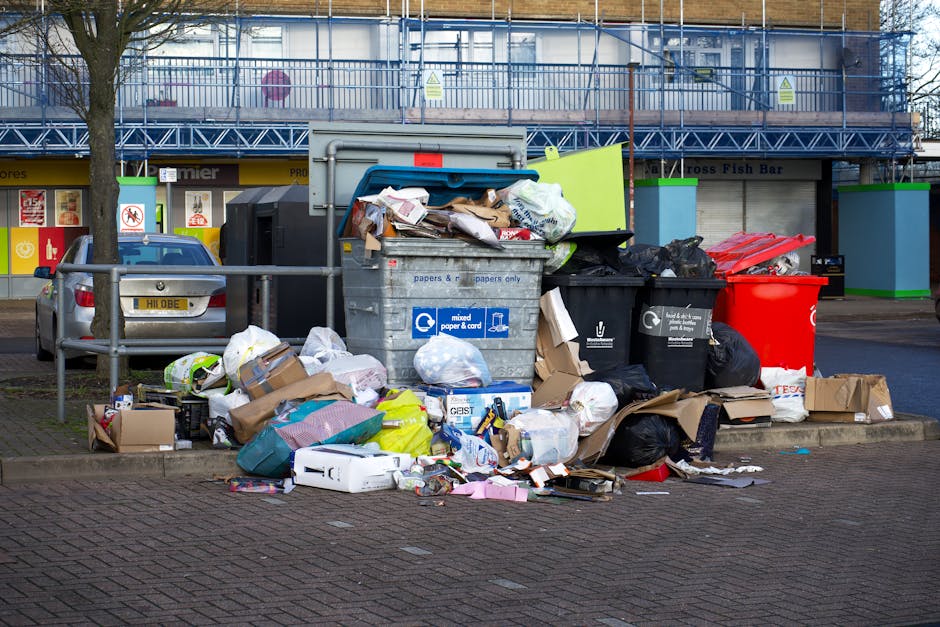
If you live or work near Elgin Avenue and the bulky items are starting to pile up, you are probably looking for a clear, practical answer rather than a pile of vague advice. That is exactly what this guide is for. We will walk through the main Elgin Avenue bulky rubbish clearance options Maida Vale residents and landlords usually consider, explain how each approach works, and show you how to avoid the usual headaches: missed collections, blocked hallways, surprise costs, and items that simply are not suitable for the wrong disposal method.
Bulky rubbish is rarely "just rubbish". It is often an awkward sofa in a third-floor flat, a broken wardrobe that barely fits round the landing, or a fridge that needs careful handling. In a busy part of west London, that practical detail matters. This article breaks the subject down into sensible steps so you can choose the right option without overthinking it. And let's face it, nobody wants a stairwell blocked by an old mattress for three days.
Why Elgin Avenue bulky rubbish clearance options Maida Vale Matters
Bulky rubbish clearance in Maida Vale is about more than getting rid of old furniture. It is about timing, access, responsibility, and keeping a property usable. On streets like Elgin Avenue, where flats, maisonettes, and shared entrances can make moving large items tricky, a poor plan can turn a simple job into a long afternoon of lifting, waiting, and apologising to neighbours.
There is also a practical side that people often miss. Bulky items can attract damp, dust, and clutter. If they sit in a hallway, cellar, balcony, or garden for too long, they become a nuisance. In rental properties, they can affect viewings and handovers. In offices, they can make a workspace feel disorganised and unprofessional. In a family home, they just get in the way. Simple as that.
For many people, the real value of understanding the available clearance options is choice. You can compare speed, cost, convenience, and how much work you want to do yourself. That is especially useful if you are balancing a move-out date, a refurbishment, or a last-minute end-of-tenancy clean. If the plan is right, the whole thing becomes manageable. If the plan is wrong, you can end up doing two jobs instead of one.
How Elgin Avenue bulky rubbish clearance options Maida Vale Works
There are usually a few ways to handle bulky waste, and the right one depends on what you are clearing, how much there is, and how quickly it needs to go. In practice, most people consider one of four routes: self-moving the items, using a council-style collection if available for the item type and timing, arranging a skip if the waste mix suits that method, or booking a professional removal team for a full or partial clearance.
A specialist bulky rubbish clearance service is usually the most convenient route for large or heavy items. The team comes to the property, assesses access, lifts the items out, loads them safely, and takes them for appropriate disposal or recycling. That can be particularly helpful in flats off Elgin Avenue, where narrow staircases, parked cars, and limited lift access can make DIY removal a bit of a faff.
By contrast, a skip is useful if you have a larger volume of mixed waste and enough space to place it legally and safely. If you are unsure what can go in a skip, it is worth checking what can go in a skip before you commit. For furniture-heavy clearances, a dedicated service such as furniture clearance or furniture disposal may be more efficient and less messy.
When the job involves more than one category of waste, a broader waste removal solution can keep things simpler. The key is to match the method to the actual load, not to the idea of the load. That small distinction saves time and money.
Key Benefits and Practical Advantages
The biggest advantage of choosing the right bulky rubbish clearance option is convenience, but there is more to it than that. Good clearance removes stress from a job that can otherwise eat up your day. It can also reduce the risk of injury, protect the property, and help you clear space in one go rather than in several frustrating trips.
Here are the main benefits people tend to notice:
- Less lifting and carrying: especially useful if the items are heavy, oversized, or awkwardly shaped.
- Faster turnaround: handy for move-outs, lettings, office changes, and end-of-project clear-ups.
- Better access management: ideal for upper-floor flats, shared stairwells, and tight entrances.
- Cleaner finish: no lingering pile of items outside the property or in communal areas.
- More predictable disposal: particularly when items need recycling, specialist handling, or separate treatment.
There is also a less obvious advantage: mental space. Clearing a room that has become half storage, half frustration can change how the whole property feels. You notice the light again. The room breathes a bit. That sounds dramatic, but if you have ever looked at a room and thought "I will deal with that later" for six months, you know exactly what I mean.
For properties with mixed contents, combining services can make sense. For example, a household might need house clearance for general contents, plus mattress and sofa disposal for the oversized soft furnishings that always seem to take up the most space.
Who This Is For and When It Makes Sense
This kind of clearance is not only for people doing a full empty-out. It is for anyone who has one or more bulky items that are too heavy, too large, or too inconvenient to move alone. The most common situations are probably more familiar than you think.
It makes sense if you are:
- moving out of a flat and need bulky items removed before handover
- clearing out an inherited property or a long-term storage room
- replacing old furniture and do not want it hanging around for weeks
- refreshing a rental property between tenants
- preparing for decorating, flooring, or a refurbishment
- tidying a garage, loft, or home office that has become cluttered
If the issue is one room rather than the whole property, targeted services can be a better fit. A messy loft is not the same as a garden full of broken planters and patio furniture, after all. For attic spaces, loft clearance is often the most sensible route. For mixed home clutter, home clearance can be more straightforward.
Business users on or near Elgin Avenue may also need clearance after an office move, refurbishment, or workspace reset. In that case, office clearance or business waste removal may be the right starting point. The important thing is not to force one solution onto every problem.
Step-by-Step Guidance
If you want a clean, efficient bulky rubbish clearance, the process is usually quite simple once you break it into pieces. Here is the approach that tends to work best in real life.
- List the items. Note what needs removing and whether anything is fragile, heavy, or potentially hazardous.
- Separate categories. Put furniture, appliances, garden items, and general waste into rough groups so you can judge the best disposal route.
- Check access. Think about stairs, lift size, parking, loading distance, and whether the items need dismantling.
- Decide your preferred method. Compare self-move, skip hire, or professional removal based on time, effort, and item type.
- Ask about handling and disposal. If you need responsible sorting, look for recycling-led removal rather than just "take it away" service promises.
- Book a slot that fits the property. Choose a time when access is realistic and neighbours are least likely to be disrupted.
- Prepare the items. Empty drawers, remove loose parts, and protect floors or walls if the route is tight.
For appliances, extra care is sensible. Fridges, freezers, and similar items may need specialist handling, and some are not suitable for ordinary mixed waste. If your clearance includes white goods, take a look at fridge and appliance removal so you can plan properly.
If you are clearing a larger building or a renovation site, the process may involve heavier debris. In that scenario, builders waste clearance can be a better fit than a general bulky collection. It is all about matching the service to the mess, really.
Expert Tips for Better Results
A few small decisions can make a surprisingly big difference. The first is to remove anything that can be reused before the collection begins. A chair with a broken leg may be waste, but a lamp, shelf, or table in decent condition might be better handled separately. It sounds obvious, but in the rush of a clearance, useful items often get swept up too quickly.
Second, take a minute to think about weight distribution. A load made up of one heavy item and several light items is easier to manage than a stack of random pieces with sharp edges and unstable shapes. If you are loading yourself, place the heavy items first and keep fragile materials protected. If a professional team is collecting, clear pathways and do not leave loose clutter underfoot.
Third, ask how the service approaches recycling. Good practice is not just about disposal; it is about separating what can be reused or recycled where possible. That matters for both environmental and practical reasons. You can read more about recycling and sustainability if you want a sense of the values behind responsible clearance.
One more thing: if you are planning around work hours, school runs, or building access windows, build in a bit of slack. Jobs in London rarely run like a neat spreadsheet. A ten-minute delay can turn into twenty, then suddenly everyone is waiting by the door. A little patience goes a long way.
Common Mistakes to Avoid
Most bulky rubbish clearance mistakes are easy to avoid once you know what to watch for. The trouble is, people usually only learn the hard way once. Here are the ones that come up again and again.
- Choosing the cheapest option without checking item type: a low price is no help if the service cannot take what you need removed.
- Forgetting access details: a van may fit on the road, but not every driveway, courtyard, or loading area does.
- Mixing hazardous items with general waste: certain items need special handling, and they should not be placed with normal bulky rubbish.
- Leaving sorting until collection day: this slows everything down and can raise the chance of mistakes.
- Not checking what happens to the waste: disposal method matters if you care about reuse, recycling, and responsible handling.
There is also a smaller mistake that catches people out: assuming one service covers every possible item. A sofa, a wardrobe, and a broken appliance do not always follow the same route. In some cases, it is better to combine a few focused services rather than forcing one catch-all approach. That is where pages like garage clearance or furniture disposal can help you think more precisely about the job.
Tools, Resources and Recommendations
You do not need much special equipment for most clearances, but a few basic tools and checks make things smoother. A tape measure helps if you are deciding whether something can come through a doorway or down a stairwell. Strong gloves are useful if you are moving broken or dusty items. A trolley or sack truck can help with heavier pieces, though it is not magic; stairs are still stairs.
It also helps to have simple packing materials on hand: bin bags for loose contents, tape for drawers or doors, and blankets or corner protectors for narrow routes. If you are clearing out a room before redecorating, a dust sheet can prevent the "everything is somehow covered in grit" feeling later on. Not glamorous, but practical.
For people comparing options, these pages are useful starting points on the same site:
- pricing and quotes for understanding how bookings are usually costed
- book online if you want a quick scheduling route
- about us to learn more about the company behind the service
- contact us if you need to discuss access, timings, or awkward items
If your clearance is part of a bigger home reset, you may also find furniture clearance and flat clearance helpful as broader reference points.
Law, Compliance, Standards, or Best Practice
For bulky rubbish clearance in the UK, the main principle is simple: waste should be handled responsibly and by a proper route. You do not need to become an expert in regulations to make good choices, but you should expect a service to treat waste carefully, keep items separated where relevant, and dispose of them through legitimate channels.
That matters most when items could cause harm if handled badly. Refrigeration units, mattresses, sofas, and some household goods can need special consideration. The same goes for anything you suspect might be hazardous. In those cases, use a service that clearly explains how it deals with those items. If a provider is vague about safety or disposal, that is usually a warning sign, plain and simple.
For peace of mind, look for clear information on health and safety policy, insurance and safety, and hazardous waste disposal where relevant. These pages can help you judge whether the service is organised and careful, which is exactly what you want when items are heavy, awkward, or potentially messy.
For sensitive materials or records, there is a separate consideration. If your clearance overlaps with document disposal, confidential shredding is the more appropriate route than mixing papers into general waste. A little separation now prevents trouble later.
Options, Methods, or Comparison Table
Here is a straightforward comparison of the main approaches people in Elgin Avenue and wider Maida Vale tend to consider.
| Option | Best for | Pros | Watch out for |
|---|---|---|---|
| Self-moving | One or two manageable items | Can be low cost if you already have transport | Heavy lifting, access issues, time, and vehicle suitability |
| Skip hire | Larger volumes of mixed waste | Useful for ongoing clear-outs and renovation waste | Space, permits, loading restrictions, and item type limits |
| Professional bulky clearance | Furniture, appliances, mixed bulky items, flat clearances | Fast, convenient, and less physical effort | Need to be clear about access and item list |
| Targeted service by item type | Sofas, mattresses, appliances, garage contents, garden waste | More precise handling and clearer disposal routes | May need more than one service if the load is mixed |
For many households, a targeted service is the sweet spot. A garage full of old tools and broken storage is different from a living room set that needs lifting out carefully. If the mix is awkward, the smart move is to split the job into parts rather than treating everything as one big heap.
Case Study or Real-World Example
Picture a typical Maida Vale flat near Elgin Avenue: two bedrooms, a small hallway, and a narrow staircase with a corner turn halfway down. The residents are moving out at the end of the month and need to clear a wardrobe, a sofa, a broken bed frame, and a tired fridge-freezer from the kitchen. There is also a box of random household bits in the cupboard under the sink. Not exactly rare.
The first instinct might be to arrange one vehicle and do it all in a single trip. But once they measure the hallway, it becomes clear the wardrobe will need partial dismantling, the fridge-freezer should be handled separately, and the sofa will need two people just to pivot it safely. A mixed waste removal or tailored clearance approach suddenly makes much more sense than a do-it-yourself scramble.
By sorting the items in advance, booking a service that can manage the appliance properly, and making the access route clear, the whole job becomes more orderly. The hallway stays cleaner, the neighbours are less inconvenienced, and the flat is ready for handover without a last-minute panic. That quiet sense of relief? Very real.
Practical Checklist
Use this quick checklist before you book or start the clearance.
- List all bulky items that need to go.
- Separate furniture, appliances, and general waste.
- Measure doorways, stair turns, and any lift access.
- Decide whether anything needs dismantling.
- Set aside hazardous or specialist items.
- Check whether you need furniture, appliance, or full property clearance.
- Confirm the collection timing and access instructions.
- Clear floors and paths to reduce handling delays.
- Keep valuables and personal documents separate.
- Ask about recycling and disposal methods.
Expert summary: the best bulky rubbish clearance plan is the one that fits the actual items, the access at Elgin Avenue, and the time you realistically have. If you start with those three facts, the rest becomes much easier.
Get a free quote today and see how much you can save.
Conclusion
Choosing between the available Elgin Avenue bulky rubbish clearance options Maida Vale comes down to one question: what is the simplest safe route for your exact situation? For some people that means a one-off furniture pickup. For others it means a broader home, flat, or office clearance. Sometimes it is a small mixed job with a fridge, a sofa, and a few odds and ends. Nothing glamorous, but all very normal.
The best results usually come from being practical rather than hopeful. Measure first. Sort second. Book the service that matches the load. And if the items are awkward, heavy, or time-sensitive, do not leave it until the last minute. You will thank yourself later. Honestly, future-you is usually the wisest person in the room.
When the clutter is gone and the space is clear, the whole property feels lighter. That is often the real win. Not just a tidy room, but a bit of breathing room in the day.
Frequently Asked Questions
What are the main bulky rubbish clearance options in Maida Vale?
The main options are self-moving, skip hire, and professional bulky item removal. The best choice depends on item size, access, volume, and how much labour you want to do yourself.
Is bulky rubbish clearance suitable for flats on Elgin Avenue?
Yes. In fact, it is often the most practical choice for flats because stairs, narrow halls, and limited parking can make DIY removal difficult. A team that understands access issues can save a lot of hassle.
Can I mix furniture and general waste in one collection?
Often yes, but it depends on the service and the types of items involved. Furniture-heavy jobs may work well alongside general waste, while appliances or hazardous items may need separate handling.
What happens to the items after collection?
That depends on the provider and the item condition. Usable items may be reused or separated for recycling, while other materials are sent for appropriate disposal. It is sensible to ask how the waste is handled.
Do I need to prepare bulky items before collection?
Usually, yes. Empty drawers, remove loose contents, and clear a route to the items. If something can be safely dismantled, that can make the job much quicker.
Are appliances treated differently from other bulky rubbish?
Yes, often they are. Fridges, freezers, and similar items may need special collection or disposal procedures, so it is better to check before putting them in a general clearance.
Is skip hire better than a bulky rubbish collection?
Not always. Skip hire works well for larger volumes and longer projects, but bulky clearance can be better for oversized furniture, awkward access, and faster one-off removals.
How can I reduce the cost of a bulky clearance?
Sort the items in advance, separate any reusable pieces, and provide accurate access details. Being clear about the load helps avoid delays and unnecessary extras.
What if I only have one large item to remove?
A single large item can still be worth booking as a dedicated removal. A sofa, wardrobe, mattress, or appliance can be harder to dispose of than it looks, especially from an upper-floor property.
Can a clearance service handle a full flat or house, not just one item?
Yes. Many providers also cover broader jobs such as flat clearance, house clearance, and home clearance, which is useful if the bulky items are part of a bigger clear-out.
What should I do with hazardous or special waste?
Do not mix it with general bulky rubbish. Keep it separate and use a service that clearly covers hazardous waste disposal where needed. When in doubt, ask before collection day.
How do I know if a clearance company is trustworthy?
Look for clear information on pricing, safety, insurance, and disposal practices. Pages such as pricing and quotes, insurance and safety, and health and safety policy can help you judge whether the service is properly organised.
What is the best first step if I am not sure what service I need?
Start by listing the items and checking access. Then speak to a provider using a contact route such as contact us so you can explain the load clearly and choose the most suitable option.