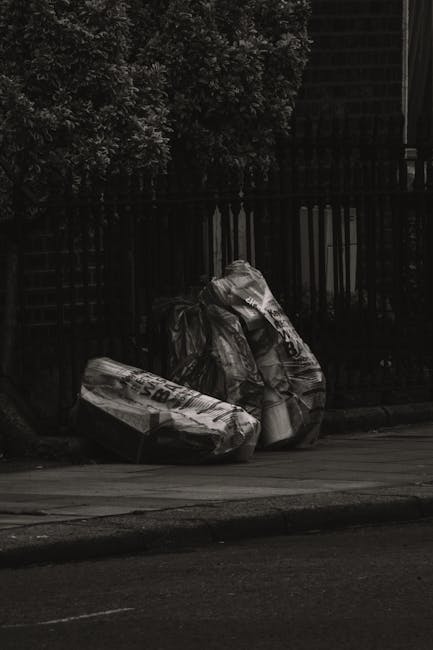
Maida Vale W9 guide to rubbish collection and recycling
If you live, work, or manage a property in Maida Vale, rubbish collection can feel simple right up until it isn't. One missed bin day, a full hallway, a broken fridge in the kitchen, or a pile of packaging after a move, and suddenly you need a plan. This Maida Vale W9 guide to rubbish collection and recycling gives you the practical picture: what usually belongs in each stream, how to avoid common mistakes, when council services are enough, and when a specialist clearance or waste removal service makes life easier.
It is written for real-life situations, not perfect ones. The kind where the lift is tiny, the front step is awkward, the recycling box is already half-full, and you are trying to do the right thing without spending your evening untangling rules. Truth be told, that is most homes in London.
Table of Contents
- Why Maida Vale W9 rubbish collection and recycling matters
- How rubbish collection and recycling works in Maida Vale W9
- Key benefits and practical advantages
- Who this is for and when it makes sense
- Step-by-step guidance
- Expert tips for better results
- Common mistakes to avoid
- Tools, resources and recommendations
- Law, compliance, standards and best practice
- Options, methods and comparison table
- Case study or real-world example
- Practical checklist
- Conclusion
- Frequently asked questions
Why Maida Vale W9 rubbish collection and recycling matters
Maida Vale is a busy part of London with a mix of mansion blocks, converted flats, terraced streets, offices, and rental properties. That mix matters because rubbish collection is never just about "put it out on the pavement." Access, storage space, timing, neighbours, and material type all affect what happens next.
Good rubbish handling keeps buildings cleaner, reduces smells and pests, and avoids the sort of mess that makes everyone in a block quietly sigh. It also helps you separate recyclable material from general waste, which is better for the environment and usually more efficient overall. A tidy approach matters even more in shared properties, where one person's overspill can quickly become everyone's problem.
For landlords, agents, and businesses, there is another angle: compliance and reputation. Overflowing waste, incorrect disposal, or fly-tipped rubbish does not just look bad; it can create avoidable costs and awkward conversations. In our experience, the better organised the waste system, the fewer last-minute headaches you get.
Expert summary: the best rubbish collection setup is not the one that sounds cleverest on paper. It is the one that actually works in your building, your street, and your weekly routine.
If you want a wider overview of how different waste types are handled, our recycling and sustainability page is a useful companion read.
How rubbish collection and recycling works in Maida Vale W9
At a practical level, rubbish collection in Maida Vale usually falls into a few familiar categories: household waste, recycling, bulky waste, garden waste, builder's waste, and specialist items like appliances or mattresses. The exact collection arrangements depend on the property type and the waste producer, but the logic stays the same: sort first, present correctly, and keep restricted items out of standard bins.
Recycling is usually most effective when items are clean, dry, and separated properly. A half-empty yoghurt pot can still be a recycling issue if it turns the rest of the bag into a sticky nuisance. So can food residue in cardboard. Small things, yes, but they add up quickly.
Collection schedules and access arrangements can also be a big deal in W9. If bins are stored in a rear yard, a basement, or a narrow communal space, then the person taking the waste out needs a clear route. That sounds obvious. Yet one awkward doorway or locked gate can turn a five-minute job into a noisy two-person carry down three flights of stairs at 7:30 in the morning.
For one-off clearances, people often combine local disposal with a dedicated service such as flat clearance, house clearance, or office clearance depending on the property. That is often simpler than trying to force everything into standard collection cycles.
Key benefits and practical advantages
A well-organised rubbish and recycling routine does more than keep the place neat. The real benefits are often small and cumulative, which is why people notice them only after they have been missing for a while.
- Less clutter: easier movement through hallways, kitchens, and shared entrances.
- Fewer missed items: recyclable materials and general waste are less likely to get mixed up.
- Better hygiene: fewer odours, fewer pests, and less residue building up in bins.
- Lower stress: less guesswork on bin day and fewer "where does this go?" moments.
- Improved building management: useful for landlords, managing agents, and concierge-led blocks.
- More responsible disposal: better separation supports reuse and recycling where possible.
There is also a financial angle. Not everything needs a special trip or a premium service. But equally, trying to stretch regular bins beyond their limits often causes more disruption than it saves. A sensible plan usually lands in the middle.
If you need help with heavier household items, you may also find our pages on furniture disposal and mattress and sofa disposal useful.
Who this is for and when it makes sense
This guide is useful for a few different people, and probably more than you think.
- Residents in flats: especially if space is tight or recycling storage is shared.
- Landlords and letting agents: to reduce complaints at move-in and move-out.
- Homeowners: when clearing cellars, lofts, garages, or spare rooms.
- Businesses: for offices, small studios, and premises that generate mixed waste.
- Builders and trades: where construction debris needs a separate route from domestic rubbish.
It makes sense to think beyond the bin when you are dealing with a move, refurbishment, end-of-tenancy cleanout, or a build-up of items that simply cannot wait for the next collection. For example, an office with old desks, printer cartridges, and confidential paper waste may need a more organised approach than a single communal bin can provide. In that kind of situation, business waste removal and confidential shredding are worth considering.
To be fair, if you only have a few bags and a couple of recycling boxes, the answer may just be better sorting. But if the pile has started to look like it has its own postcode, you probably need a bigger plan.
Step-by-step guidance
Here is a simple way to handle rubbish collection and recycling in Maida Vale W9 without overcomplicating it.
- Separate the waste by type. Group general rubbish, recycling, food waste, bulky items, and anything hazardous or specialist.
- Check what needs cleaning or draining. Empty tins, rinse food containers lightly, and remove loose residue where practical.
- Flatten cardboard and bulky packaging. It makes a surprising difference in small bins and shared storage areas.
- Keep restricted items aside. Batteries, electricals, chemicals, and broken glass should not be thrown in carelessly.
- Decide what can go by regular collection. If it fits, is accepted, and is safe to present, standard collection may be enough.
- Book a specialist service for awkward items. Large furniture, appliances, renovation debris, and bulk clearances usually need separate handling.
- Make access easy. Clear hallways, unlock gates, and warn neighbours if items will be moved through shared areas.
- Double-check before collection. One last look saves embarrassing mistakes. Everyone has had the "that definitely should not have gone there" moment.
A tiny bit of planning helps a lot. Put a box or bag in a corner for "not sure yet" items, then review it once a week. That one habit cuts down on rushed decisions.
Expert tips for better results
The best advice is usually boring in the best way: keep waste streams clean and predictable. That means less contamination, fewer delays, and fewer things left behind.
- Label containers clearly if several people use the same bin store.
- Keep recycling dry because damp cardboard and food-soiled packaging can ruin a whole batch.
- Use a staging area for bulky items, so they are not blocking walkways while you decide.
- Plan around lift and access times in mansion blocks and managed buildings.
- Photograph items before disposal if you are a landlord or letting agent and need a record.
- Ask early about specialist loads such as appliances, building rubble, or mixed furniture.
One small observation from real life: the difference between a smooth clearance and a frustrating one is often just ten minutes of prep. Move the item closer to the entrance, remove loose contents, and tell the team about stairs, parking, or entry codes. Small things. Big payoff.
If you are dealing with large furniture or a mixed load, our furniture clearance and home clearance services may be a better fit than piecemeal disposal.
Common mistakes to avoid
Most waste problems are not dramatic. They are just a bit careless. That is what makes them so annoying.
- Mixing recyclables with food waste: a small bit of contamination can spoil a whole container.
- Leaving bags loose in shared bin stores: they tear, spill, and attract pests.
- Forgetting appliance restrictions: fridges, freezers, and some electrical items usually need special handling.
- Putting hazardous items out with normal rubbish: that is unsafe and often not accepted.
- Assuming bulky items will "just disappear": they rarely do.
- Not measuring access first: one narrow stairwell can change the entire disposal plan.
Another common one: keeping everything in the flat until the day before check-out. It feels efficient until you are surrounded by bags, boxes, and a washing machine connector you should have removed three days ago. Happens all the time.
When in doubt, separate first and ask second. Not the other way around.
Tools, resources and recommendations
You do not need special equipment to manage rubbish collection well, but a few low-cost tools make a noticeable difference.
- Strong bin bags: especially useful for mixed household rubbish and cleaner handling.
- Stackable boxes or tubs: better than random piles for recycling or relocation.
- Labels or tape: simple but effective for shared households or office stores.
- Gloves: sensible for broken items, loft clearouts, or dusty storage spaces.
- Basic trolley or sack truck: useful if you are moving heavier items through a building.
For property types with extra storage build-up, the following pages may help you plan the right disposal route: loft clearance, garage clearance, and garden clearance.
If pricing is part of your decision, the page on pricing and quotes is the best place to understand how a job may be assessed. And if you prefer to arrange things directly, you can always book online.
Law, compliance, standards, or best practice
Waste disposal in the UK is not something to guess at. You do not need to become a legal expert, but you do need to use sensible, lawful disposal methods and avoid duty-of-care mistakes.
In plain English, that means you should only hand waste to properly equipped and responsible collectors, separate hazardous items where required, and make sure waste is not fly-tipped or left in an unsafe condition. Businesses have additional responsibilities around storage, transfer, and documentation. Households are simpler, but the principle is the same: don't pass the problem on in a way that creates risk for somebody else.
For material that is hazardous, sharp, contaminated, or electrically risky, use the correct route rather than the quickest one. Our hazardous waste disposal page explains the kind of items that need extra care. Likewise, if a fridge or freezer is involved, fridge and appliance removal is a much safer option than trying to manhandle it down the stairs without a plan.
Best practice is not glamorous, but it is reliable: keep records where needed, avoid contamination, and use services that handle waste responsibly. That applies whether you are clearing one flat or a whole office floor.
Options, methods and comparison table
Different waste jobs need different methods. Here is a simple comparison to help you decide what fits best.
| Option | Best for | Strengths | Limits |
|---|---|---|---|
| Standard rubbish collection | Routine household waste and accepted recycling | Convenient, familiar, low effort | Not suitable for bulky, hazardous, or oversized items |
| Self-sorting and local recycling | Small amounts of clean, separated material | Good for keeping contamination low | Takes time and still may not cover everything |
| Bulky waste or specialist clearance | Furniture, appliances, mixed loads, and end-of-tenancy clearouts | Faster, less physical lifting, handles awkward items | May cost more than standard collection |
| Project-based clearance | Renovation, office moves, lofts, garages, or full-property clearances | Efficient for large volumes and mixed materials | Needs more planning and access prep |
For renovation waste, the page on builders waste clearance is the natural next step. If you are deciding what should go into a skip and what should not, what can go in a skip is also helpful, even if you ultimately choose a different disposal route.
Case study or real-world example
A typical Maida Vale scenario goes like this. A top-floor flat is being cleared at the end of a tenancy. There are four bin bags, two boxes of mixed recycling, a broken wardrobe, an old mattress, and a fridge that stopped cooling sometime around the previous Tuesday. Nothing shocking. Just a normal, slightly chaotic move-out.
The first mistake would be trying to treat everything as ordinary rubbish. The second would be leaving it until the last evening, then discovering the lift is out and the hallway is already crowded. The better approach is to split the job into three parts: regular waste, bulky furniture, and specialist items. The mattress and wardrobe go one way, the fridge another, and the general waste gets sorted for standard collection where possible.
That approach reduces lift traffic, keeps the building tidy, and avoids a very long Saturday. It also means the team can move through the property in a sensible order rather than trying to solve the whole thing at once. In practice, that is what saves time.
For a flat like this, a flat clearance service often makes more sense than trying to wheel everything out gradually over several bin days. It is cleaner, faster, and less disruptive to neighbours.
Practical checklist
Use this checklist before you put anything out or book a clearance.
- Have I separated general waste, recycling, and bulky items?
- Are any items wet, contaminated, sharp, or hazardous?
- Do any items need special handling, such as fridges, mattresses, or electronics?
- Is the access route clear for removal?
- Do I need permission or notice for a shared building?
- Have I flattened cardboard and emptied containers where appropriate?
- Do I know what will go into standard collection and what will not?
- Have I checked whether a specialist clearance would be faster or safer?
- Do I need proof, photographs, or records for a landlord or business file?
- Is everything ready before collection day, not after it starts?
If you can tick most of those boxes, you are already ahead of the game. Honestly, that is often enough to turn a stressful job into a manageable one.
Conclusion
Maida Vale W9 rubbish collection and recycling works best when you keep it simple: separate properly, store neatly, and choose the right disposal route for the job in front of you. Small household waste, shared-bin logistics, bulky furniture, appliances, and building debris all need slightly different thinking. Once you accept that, the whole process gets much less frustrating.
The main thing is not perfection. It is consistency. A decent routine, a little foresight, and the right service when the job is too big for the bins will save time, reduce mess, and make the whole property feel calmer. There is something quietly satisfying about that, especially in a busy London street on a wet afternoon when everything seems to be either a delivery or a bag of rubbish.
Get a free quote today and see how much you can save.
And if you are comparing disposal options, sorting through old items, or planning a full clear-out, start with the service that fits the mess you actually have. That is usually the smartest move.
Frequently Asked Questions
What should I recycle in Maida Vale W9?
Recycling usually includes common packaging such as clean cardboard, paper, cans, tins, and certain plastic containers, depending on what is accepted in your collection setup. The safest habit is to keep materials clean, dry, and separated. If packaging is coated in food or liquid, treat it carefully rather than tossing it in automatically.
Can I put broken furniture out with normal rubbish?
Usually not, especially if it is large, heavy, sharp-edged, or awkward to move. Broken furniture often needs bulky waste handling or a dedicated clearance. A better option is to use a furniture-focused disposal route or a general clearance service that can take mixed items safely.
What do I do with a fridge, freezer, or other appliance?
White goods should be handled as specialist items because they are heavy and may contain components that need proper treatment. Do not assume they can go with normal rubbish. A dedicated appliance collection is the cleaner and safer answer.
How do I dispose of a mattress in W9?
Mattresses are bulky, awkward, and often not accepted with ordinary bin collections. They are usually best handled through a specialist disposal service. If you are clearing several bedroom items at once, a fuller furniture or house clearance can make more sense.
What happens if I mix recycling with food waste?
Contamination can make recycling less useful and may cause a whole container to be rejected. Even a small amount of food residue can cause trouble. If in doubt, keep the item out and check the best disposal route before it goes anywhere.
Is a skip always the best option?
No, not always. A skip can work well for certain projects, but access, space, loading limits, and item type all matter. For flats and tight London streets, a collection or clearance service can be much more practical. If you are unsure, compare your load against the guidance on what can go in a skip before deciding.
Do I need a specialist service for office waste?
If the waste is only paper and light packaging, standard sorting may be enough. But offices often generate mixed waste, confidential paperwork, electronics, and furniture. In that case, a service that handles business waste and shredding is much more sensible.
How do I handle waste in a flat with shared bins?
Keep bags sealed, flatten cardboard, and avoid leaving loose items in communal areas. Shared bin stores need clear organisation, otherwise one person's habits affect everyone. If the shared setup is struggling, a one-off clearance can reset things quickly.
What is the safest way to clear hazardous waste?
Do not mix hazardous items with general rubbish. Keep them separate and use a route designed for risky or restricted materials. This matters for chemicals, sharp objects, contaminated items, and anything that could injure someone handling it later.
Can I book one service for mixed rubbish and recycling?
Yes, many clearances are about mixed loads rather than one tidy category. The key is to sort the waste as much as practical before collection and to tell the provider what is included. That way the job is quicker, safer, and less likely to need a second visit.
What should I do before moving day or tenancy handover?
Clear bulky items first, separate recycling from rubbish, and leave time for any specialist disposal such as mattresses, appliances, or old furniture. Do not leave the awkward stuff until the final hour. That is how a calm handover turns into a scramble.
Where can I learn more about responsible disposal and sustainability?
A good starting point is the site's recycling and sustainability page. It helps frame the bigger picture while you deal with the practical side of clearing waste in Maida Vale W9.