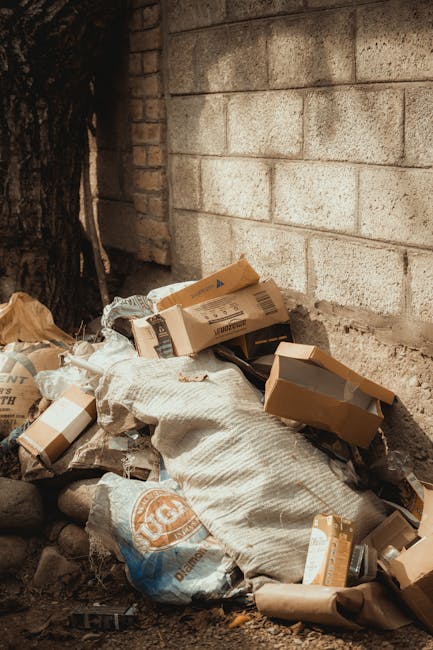
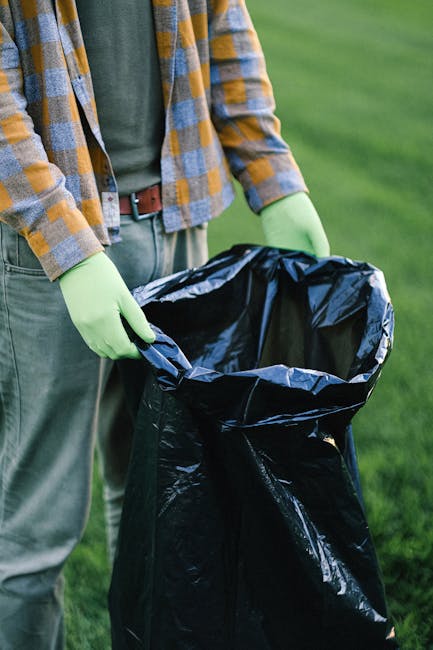
Warwick Avenue skip alternative rubbish bags for small jobs
If you only have a few bags of clutter, rubble, or unwanted bits to clear, hiring a full skip can feel like bringing a lorry to collect a loaf of bread. That is exactly where Warwick Avenue skip alternative rubbish bags for small jobs come into their own. They are a simpler, often more flexible way to manage light clear-outs, without blocking the street or paying for far more capacity than you need.
In and around Warwick Avenue, where space can be tight and access is often awkward, rubbish bags for small jobs are especially handy for quick clearances after decorating, tidying a flat, or clearing a shed shelf that has somehow turned into a mini landfill. This guide breaks down how they work, when they make sense, what to watch out for, and how to decide whether a bag-based rubbish removal option is better than a skip.
For readers planning a broader clear-out, you may also find it useful to compare small-bag disposal with services like waste removal or, if the job is more furniture-heavy, furniture disposal. The best choice usually depends on volume, access, and what exactly needs to go.
Table of Contents
- Why Warwick Avenue skip alternative rubbish bags for small jobs Matters
- How Warwick Avenue skip alternative rubbish bags for small jobs Works
- Key Benefits and Practical Advantages
- Who This Is For and When It Makes Sense
- Step-by-Step Guidance
- Expert Tips for Better Results
- Common Mistakes to Avoid
- Tools, Resources and Recommendations
- Law, Compliance, Standards, or Best Practice
- Options, Methods, or Comparison Table
- Case Study or Real-World Example
- Practical Checklist
- Conclusion
- Frequently Asked Questions
Why Warwick Avenue skip alternative rubbish bags for small jobs Matters
Small clearances are easy to underestimate. A few broken shelves, a couple of bags of plaster dust, some old kitchen packaging, and suddenly you are standing in a hallway wondering how on earth it all accumulated. That is why a skip alternative matters: it matches the job to the waste, instead of forcing you into a one-size-fits-all solution.
In a built-up London setting, the practical issues matter just as much as the waste itself. A skip may need enough road space, time, and access planning to make it worthwhile. A rubbish bag system, on the other hand, can suit a smaller job in a flat, mews property, or maisonette where lift access, stairwells, and parking are already a bit of a faff.
There is also a time-saving angle. Small jobs tend to appear suddenly: a last-minute declutter before visitors arrive, a mini renovation, or a weekend clear-out that snowballs after one coffee and a strong sense of guilt. Bags let you act quickly, and honestly, that can make all the difference.
Key takeaway: if the waste is modest, access is limited, and you want a tidy, low-hassle removal method, rubbish bags can be a smarter fit than a skip.
How Warwick Avenue skip alternative rubbish bags for small jobs Works
The basic idea is straightforward. You fill designated rubbish bags with the waste from your small job, then arrange collection once they are ready. Depending on the service style, bags may be provided by the removal team or you may use suitable heavy-duty bags of your own. The collection team then lifts, sorts, and removes the contents for disposal or recycling.
For smaller domestic jobs, this often works well because you can pack at your own pace. No skip permit to think about, no worrying about whether a van can park exactly where the skip lorry wants, and no large container sitting outside for days on end. In practice, that can make a small job feel much more manageable.
Some people use rubbish bags for mixed light waste after sorting. Others use them for one material stream at a time, such as old clothing, soft household clutter, or non-hazardous junk from a loft shelf. If you are unsure what should go in the bags, it is wise to check a clear guide such as what can go in a skip because the same common sense rules often apply to many waste collection methods.
In real terms, it works best when you have less than a skip's worth of material and do not want the footprint, logistics, or cost overhead of a larger container. That sounds simple. It is simple, actually. Which is why people keep choosing it.
Key Benefits and Practical Advantages
Rubbish bags for small jobs are popular for a reason. They solve practical problems without asking you to overcomplicate things.
- Better fit for small volumes: You pay for the scale you need, not for empty space.
- Less disruption: No large skip sat outside, no awkward obstruction on a narrow street.
- Flexible loading: You can fill bags gradually as you sort through a room, cupboard, or storage corner.
- Helpful for flats and upper floors: Bags are easier to carry down stairs or through shared access than bulky waste items.
- Cleaner appearance: For many homes and small businesses, bags are simply less intrusive.
- Good for quick decisions: When you need a fast turnaround, a bag-based approach can be much more responsive.
There is also a psychological benefit, which people do not always mention. A full skip can make a job feel larger than life, like you are halfway through a building project whether you meant to or not. Bags feel smaller, more contained, more finishable. That matters when motivation is thin on the ground.
If your small job is part of a bigger declutter, bag collection can also sit comfortably alongside home clearance or flat clearance services. That is often the sweet spot: use a lighter method for the easy waste and a full service only when the volume justifies it.
Who This Is For and When It Makes Sense
This approach is a good fit for people who have a small but annoying pile of waste and want it gone without the stress of a larger collection. The classic examples are surprisingly ordinary.
- Residents clearing out one room or one cupboard
- Tenants doing a light end-of-tenancy tidy
- Landlords dealing with a modest leftover mess
- Homeowners after a quick decorating job
- People clearing a few items from a loft, garage, or shed
- Small offices getting rid of old clutter or packaging
It also makes sense when access is limited. Warwick Avenue is not the sort of place where every property has easy drive-up space, and if you are in a terrace, conversion, or apartment block, the logistics can become more annoying than the waste itself. Bags are often a calmer choice.
That said, if you have heavy builder's waste, large furniture, or a full renovation load, rubbish bags may stop making sense pretty quickly. At that point, services like builders waste clearance or furniture clearance are usually the more practical route.
So the question is not, "Can I use rubbish bags?" It is, "Is this the most sensible method for this specific job?" That is the right way to think about it.
Step-by-Step Guidance
If you want the process to go smoothly, a little order helps. Nothing fancy. Just a sensible approach.
- Sort the waste first. Separate general clutter, recyclable items, and anything that needs specialist handling.
- Check the weight. Bags are for manageable loads, not brick-by-brick chaos.
- Use strong bags. Thin household sacks split at the worst possible moment. Of course they do.
- Keep awkward items to one side. Long metal pieces, sharp edges, and bulky parts can damage the bag or make lifting unsafe.
- Fill the bags evenly. Uneven loads are harder to carry and more likely to tear.
- Store them neatly. Keep the bags somewhere dry and accessible until collection day.
- Confirm what is excluded. Hazardous or specialist waste should be handled separately.
- Book collection in good time. If your job is time-sensitive, do not leave it to the last minute.
A neat trick, if you are clearing a room, is to work in zones. One bag for soft general waste, one for light recyclables, one for anything questionable that needs reviewing later. It keeps the job from turning into a pile of random decisions on the floor.
If the job grows while you are doing it - and it often does - step back and reassess. Sometimes you start with "just a few bags" and end up three chairs, a broken appliance, and a mystery drawer full of cables. Happens to the best of us.
Expert Tips for Better Results
Small jobs are easier when you think like a remover, not just a clearer. A few practical habits can save you time, money, and a headache.
Tip 1: separate by material where possible. Mixed waste is manageable, but sorting into broad groups can improve recycling outcomes and make disposal cleaner overall. If sustainability matters to you, take a look at recycling and sustainability to understand the general approach.
Tip 2: avoid overfilling. Bags that bulge at the seams are hard to handle and more likely to fail during lifting. Leave a bit of breathing room. It is boring advice, but it works.
Tip 3: think about access before collection day. If bags need to come down stairs, through a narrow hallway, or past shared entrances, stack them in a way that keeps the route clear.
Tip 4: keep one bag aside for "unsure" items. This stops you making rushed decisions in the middle of the job. You can review it later rather than guessing.
Tip 5: use the right service for the right material. Fridges, mattresses, and some waste categories need more careful handling. For example, if your small job includes a fridge or similar appliance, fridge and appliance removal is the safer route than dumping it into a general bag.
One small practical truth: the neatest jobs are usually the ones planned five minutes better than everyone else's. Not glamorous, but there it is.
Common Mistakes to Avoid
Most problems with small-job rubbish bag collection come from simple misjudgements. The good news? They are easy to avoid once you know them.
- Using weak bags: Standard bin liners are not built for serious waste.
- Mixing prohibited items: Hazardous or specialist waste can create safety and disposal issues.
- Ignoring weight limits: A bag can look half full and still be too heavy to handle safely.
- Leaving sharp edges loose: Glass, metal offcuts, and broken timber can tear bags open.
- Waiting until the waste piles up: The whole point is to keep the job small and manageable.
- Assuming any rubbish can go together: That assumption causes trouble more often than people expect.
One especially common mistake is treating a small-job solution like a catch-all for everything. It is not. For example, hazardous materials need extra caution, and it is better to treat them separately through hazardous waste disposal if they are involved. If you are dealing with confidential papers from a home office or small business, confidential shredding may be the more appropriate route.
Another one? Forgetting that wet waste is heavier than it looks. A damp bag of garden clippings or soaked paper quickly becomes a nightmare to lift. Little details, big difference.
Tools, Resources and Recommendations
You do not need much gear to make small-job rubbish bag removal work well, but the right basics help.
- Heavy-duty waste bags: Pick bags that suit the type of material, especially if there are rough or heavy items.
- Gloves: Useful for broken packaging, dusty rubbish, or anything with sharp edges.
- Tape and labels: Handy if you want to mark bags by room or material type.
- Trolley or sack truck: Useful for moving multiple bags from inside to the collection point.
- Dust sheets or old cardboard: Good for protecting floors during sorting.
It also helps to understand the kinds of waste you are dealing with. If the small job is a garage clear-out, for example, you may want to review garage clearance guidance first so you are not stuck deciding between keep, recycle, and remove while standing in front of an old bike frame and a box of rusty fittings.
For bigger domestic clearances that are still contained, house clearance or loft clearance pages can also help you think about how small jobs scale up. That is useful because many "small jobs" are really just the first stage of a bigger tidy-up.
Law, Compliance, Standards, or Best Practice
For most householders, the main thing is to handle waste responsibly and safely. You do not need to memorise legislation to do that, but you should follow basic best practice.
In the UK, waste must be stored, transferred, and disposed of properly. That means avoiding fly-tipping, keeping prohibited waste out of general rubbish, and making sure anything handled by a waste carrier goes to the correct destination. If you are arranging a collection, it is sensible to choose a provider that works in line with standard waste handling expectations and has clear policies for safety and security.
Where relevant, it is wise to keep waste separated into sensible groups, especially if you may be dealing with bulky items, electricals, or anything potentially hazardous. Certain items need special handling, and some need documentation or dedicated processes. No one wants a simple tidy-up becoming a compliance problem. That would be a very annoying Tuesday.
For businesses, expectations can be stricter, particularly where records, security, and duty of care are concerned. Small offices often use bag-based clearances for light waste or confidential paper before arranging dedicated collection or shredding. If you are in that position, office clearance and business waste removal are worth reviewing alongside any bag-based option.
On the service side, look for clear information about health and safety policy, insurance and safety, and payment and security. Those pages do not just tick boxes; they tell you whether a company takes the basics seriously.
Options, Methods, or Comparison Table
Here is a simple comparison to help you choose the right small-waste solution.
| Option | Best for | Main advantage | Possible downside |
|---|---|---|---|
| Rubbish bags for small jobs | Light domestic clear-outs, limited access, a few bags of waste | Flexible and low-disruption | Not ideal for heavy or bulky loads |
| Skip hire | Heavier projects, larger mixed waste, renovation waste | Higher capacity | May need space, permit planning, and a larger budget |
| Manual self-disposal | Very small loads and occasional trips to an approved facility | Can be cheap if done carefully | Time-consuming and physically awkward |
| Full waste removal service | When you want everything cleared in one visit | Fast and convenient | May be more than you need for tiny jobs |
As a rule of thumb, if the job is a few bags and not too heavy, bag collection is usually the neatest fit. If it starts edging into plasterboard, bricks, or a room full of furniture, that is where the balance changes. A bigger option may then be better value, even if it feels like overkill at first glance.
If you are comparing disposal routes, reading pricing and quotes can also help you understand how a small job may be assessed before collection.
Case Study or Real-World Example
Picture a typical Warwick Avenue flat on a damp Saturday morning. The job is simple enough on paper: clear out a spare cupboard, remove some broken household bits, and get rid of a few bags of odds and ends left after a redecorating weekend. Nothing dramatic. Yet the building has a narrow stairwell, the street parking is awkward, and the items are too much for the regular bin.
In that situation, a skip would be possible, but not elegant. It may take extra planning, and it could sit outside longer than the actual job needs. Instead, rubbish bags are filled gradually over the day, stacked neatly inside, and taken away in one tidy removal. No large container. No long wait. No looking out of the window wondering why the road has become your personal construction site.
What makes this kind of approach work is not just the bag itself. It is the way the job is broken down. Sort first, bag carefully, keep access clear, and choose the right waste method for anything unusual. Simple, really, though not always easy when you are knee-deep in clutter and one shelf has decided to shed screws everywhere.
For situations where the small job includes unwanted sofas, a damaged chair, or a full room's worth of old seating, it may be smarter to combine bag collection with mattress and sofa disposal or furniture clearance. The point is to match the method to the waste, not force the waste to match the method.
Practical Checklist
Use this quick checklist before you book or fill any bags.
- Have I confirmed the job is genuinely small?
- Are the bags strong enough for the material?
- Have I separated hazardous or specialist waste?
- Is anything sharp, wet, or unusually heavy?
- Do I know where the bags will be kept until collection?
- Will access be clear for the collection team?
- Have I checked whether some items need a different service?
- Do I know roughly how many bags I am dealing with?
- Have I set aside documents or confidential papers that need shredding?
- Have I compared the bag option with a broader service if the job keeps growing?
If you can tick most of those off, you are in good shape. If not, pause and rethink. A small bit of planning can save a lot of backtracking later, and that is usually worth the effort.
Conclusion
Warwick Avenue skip alternative rubbish bags for small jobs are a practical, low-stress answer for modest clearances. They work best when the waste is light to medium, access is tight, and you want the flexibility to sort things out without committing to a full skip. For the right kind of job, they are quick, tidy, and refreshingly straightforward.
The real trick is knowing where the line sits. Once the waste becomes heavy, bulky, hazardous, or simply too much for bags alone, another solution will usually make more sense. But for those half-dozen bags of unwanted clutter that have been nagging at you all week, this is often the easiest way to get moving.
Get a free quote today and see how much you can save.
And if you have been putting it off, fair enough. Most people do. But once the bags are gone and the corner feels clear again, you really do notice the difference - in the room, and in your head.
Frequently Asked Questions
Are rubbish bags a good alternative to a skip for small jobs on Warwick Avenue?
Yes, if the waste is limited and not too heavy. For a few bags of general clutter, rubbish bags can be a much easier choice than a skip, especially where space and access are tight.
What kinds of waste are suitable for small-job rubbish bags?
Usually light household clutter, packaging, soft waste, and other non-hazardous items. Heavy rubble, sharp debris, and specialist waste need more care and may need a different collection method.
How many bags count as a "small job"?
There is no fixed number, because weight and material matter as much as volume. A few manageable bags is the usual starting point, but if the bags are dense or bulky, the job may be bigger than it looks.
Do I need a skip permit if I use rubbish bags instead?
Typically no, because you are not placing a skip on the road. That is one of the main reasons people choose a bag-based option in busy areas with limited parking or street space.
Can I put broken furniture into rubbish bags?
Sometimes only the smaller, safer parts. Larger furniture items are usually better handled through furniture clearance or furniture disposal, rather than forcing them into bags.
What should I do with fridges, appliances, or electrical items?
Keep them separate. Items like fridges and appliances often need specialist handling, so a dedicated collection route is safer and more appropriate.
Are rubbish bags cheaper than hiring a skip?
Often they can be for smaller loads, because you are not paying for unused capacity. But the real answer depends on the type of waste, the number of bags, and how much labour is involved.
Can I use rubbish bags for garden waste?
Yes, if the load is light enough and the bags are strong. Wet clippings and soil can get heavy quickly, so do not overfill them. For larger outdoor clearances, garden clearance may be a better option.
What if I have confidential papers mixed in with my small job?
Separate them out. Confidential documents should not just be mixed into general rubbish. Confidential shredding is the safer option when privacy matters.
How do I know whether my waste is too much for bags?
If the bags become too heavy to lift safely, or you are repeatedly filling more than you expected, the job may have outgrown the bag option. That is usually the sign to switch to a bigger removal method.
Can small rubbish bag collections work for flats and upper floors?
Yes, very often. In fact, they are particularly useful for flats because bags are easier to carry through stairwells, corridors, and shared entrances than many bulky items.
Where can I find more help if my small job turns into a bigger clearance?
Start with the broader service pages for waste removal, home clearance, or flat clearance. Those are useful when the job grows beyond a few bags.