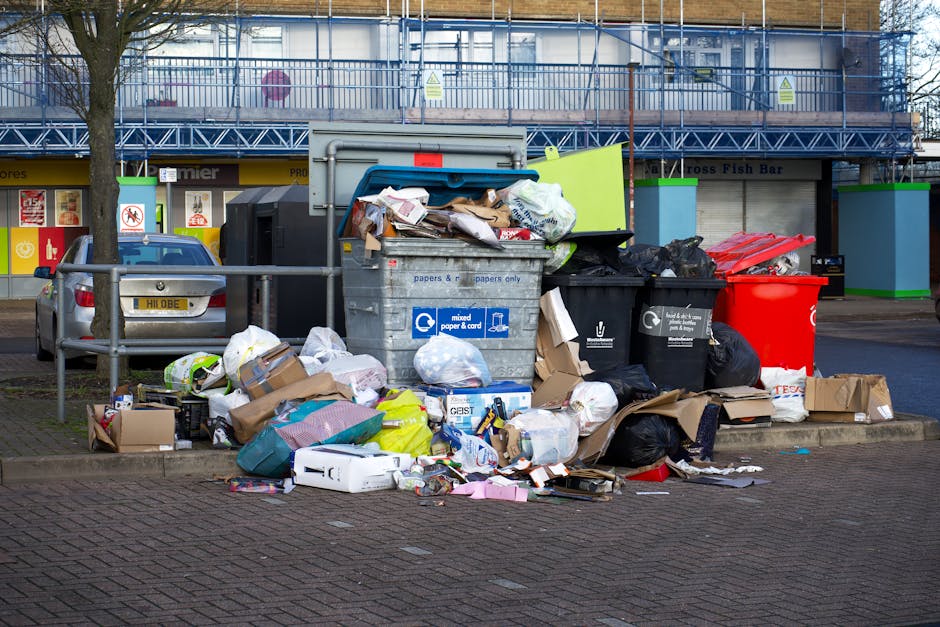
What to know about Westminster council rubbish rules Maida Vale
If you live, rent, manage a flat, or run a small business in Maida Vale, rubbish rules can feel annoyingly specific. One wrong bag, one missed collection window, and suddenly the pavement looks untidy, neighbours are frustrated, or you are left wondering what to do with a sofa, box of packaging, or a pile of garden cuttings. This guide to what to know about Westminster council rubbish rules Maida Vale breaks it down in plain English, with the local realities in mind. No fluff. Just the practical stuff that helps you stay compliant, avoid fines or complaints, and keep your property looking decent on a Tuesday morning when the bins are already full.
Truth be told, most rubbish problems in Westminster are not about people being careless. They are about unclear rules, limited space, and the everyday squeeze of London living. Let's sort that out properly.
Table of Contents
- Why Westminster council rubbish rules matter in Maida Vale
- How rubbish collection and disposal works
- Key benefits and practical advantages
- Who needs this and when it makes sense
- Step-by-step guidance
- Expert tips for better results
- Common mistakes to avoid
- Tools, resources and recommendations
- Law, compliance, standards, and best practice
- Options and comparison table
- Case study and real-world example
- Practical checklist
- Conclusion
- Frequently asked questions
Why Westminster council rubbish rules matter in Maida Vale
Maida Vale has a very particular rhythm. You see elegant mansion blocks, compact terraces, busy shared entrances, and pavements that need to stay walkable. Rubbish left in the wrong place stands out fast. That is why Westminster council rubbish rules matter here more than in areas where everyone has a large driveway or plenty of storage space. In a place like this, the wrong disposal choice can affect the whole street.
These rules matter for three simple reasons. First, they help waste get collected efficiently. Second, they reduce complaints from neighbours and managing agents. Third, they help you avoid wasting time on repeat trips to the street, the bin store, or the local tip. Nobody enjoys carrying a broken wardrobe down two flights of stairs twice. Nobody.
There is also a practical property angle. If you let rubbish pile up in shared hallways or outside a block, it can create odours, attract vermin, and damage how a home or rental looks to visitors, tenants, or buyers. In a neighbourhood where kerb appeal matters, even a small pile of waste can make the whole place feel neglected.
For people who need a more hands-off way to clear larger volumes, it often makes sense to compare council disposal with a dedicated waste removal service or a more specific option such as house clearance when the job is bigger than normal household bins can handle.
How Westminster council rubbish rules Maida Vale works
The basic idea is straightforward: different kinds of waste should go into the right containers, be presented correctly, and be put out at the right time. The detail is where people trip up. And yes, the detail is usually the annoying part.
In practical terms, Westminster-style collection rules typically expect residents to separate general waste, recycling, and any specialist items that need separate handling. That might include large furniture, electrical items, garden waste, hazardous materials, or building rubble from a flat refurbishment. The council may collect some of these directly, while others need a separate booking or a private disposal route.
In Maida Vale, how this works on the ground depends on your property type. A single-family home with space at the front is one thing. A mansion block with a communal bin room is another. A top-floor flat with limited storage and a narrow staircase is another again. The rule is the same, but the logistics are wildly different.
Here is the part many people underestimate: waste rules are not just about what you throw away, but where it sits before collection. Bags left beside an overflowing bin, loose cardboard stacked in a hallway, or a mattress leaning against a communal wall can all become problems before the waste even leaves the building.
If you are clearing out after a move, renovation, or deep tidy, services such as flat clearance, furniture disposal, or fridge and appliance removal can be a more realistic option than trying to squeeze everything into a standard collection. For mixed household clutter, a broader home clearance approach can save a lot of back-and-forth.
One useful way to think about it is this: the council system is built for routine waste. Once the job becomes bulky, awkward, heavy, or potentially messy, you are often outside the comfort zone of ordinary bin collection. That is not a failure. It is just a signal to choose the right disposal route.
Key benefits and practical advantages
Getting Westminster rubbish rules right in Maida Vale does more than keep you out of trouble. It makes everyday life calmer. There is a real benefit to knowing exactly what can go where, because you stop second-guessing every bag, box, and broken chair.
- Cleaner communal spaces: Waste is less likely to block hallways, bin stores, or front steps.
- Fewer missed collections: Correct presentation means a better chance of items being taken first time.
- Less neighbour friction: Nobody wants to be the person whose bin bags sit out for two days in the rain.
- Better recycling habits: Clear sorting usually means less contamination and less landfill.
- Safer handling: Heavy, sharp, or awkward waste is less likely to injure someone or break a bin.
- Time saved: You avoid the classic loop of moving items from flat to street to storage and back again.
There is also a mental benefit, which sounds soft until you are in the middle of a declutter. Once the rubbish plan is clear, the whole task feels smaller. You can deal with one room, one pile, one type of waste at a time. It is boring. But it works.
If you are trying to save money, the right disposal method can also stop you paying twice. For example, choosing a service that handles mixed bulky waste in one visit may be more efficient than hiring a large container when you only have a few oversized items. For some households, a targeted option like mattress and sofa disposal is the cleanest solution.
Who this is for and when it makes sense
This topic matters to a lot of different people in Maida Vale, and not just homeowners. In practice, the people who need this most are usually the ones who are trying to solve a mess quickly and without upsetting the building.
- Residents in flats: especially if storage space is limited and bin areas are shared.
- Landlords and managing agents: where fly-tipping, overflow, or tenant clear-outs can become a recurring issue.
- Home movers: because move-out waste often includes odd mixed items.
- Families doing a big clear-out: particularly after years of accumulation in lofts, cupboards, or garages.
- Small businesses: if office waste, packaging, or old furniture needs proper removal.
- Renovators and trades: who need to stay on the right side of waste handling rules.
It also makes sense if you are dealing with one of those awkward half-jobs. You know the type: too much for the weekly bin, not enough to justify a major hire, and too bulky to carry casually to a communal waste point. That in-between zone is where many people waste time. The trick is matching the method to the amount and type of waste, not trying to force everything into the same solution.
For business settings, business waste removal or office clearance can be more appropriate than treating everything like domestic rubbish. A few desks, monitors, boxes, and shredding bags can become a surprisingly awkward load if you leave it too long.
Step-by-step guidance
If you want a simple way to stay on top of rubbish rules in Maida Vale, use a step-by-step process. It sounds obvious, but people often skip straight to the throwing-away bit and then regret it later.
1. Identify the waste type first
Start by sorting what you have. Is it general waste, recycling, food waste, furniture, electricals, garden cuttings, or construction debris? If you are unsure, treat the item cautiously. A single item can change the whole disposal route, especially if it contains glass, gas, chemicals, batteries, or electronic parts.
2. Separate bulky or specialist items
Once the waste is grouped, move bulky items aside. A broken wardrobe, fridge, or pile of office chairs should not be treated like a normal bin bag. These are the items most likely to cause trouble if left in a hallway or outside a building without planning.
3. Check storage and collection space
Ask yourself where the waste will sit before collection. In a narrow Maida Vale flat, this matters a lot. A clear landing can become a fire-safety issue if bags are left there. A bin store can get blocked fast if everything is dumped in at once. Little things, big consequences.
4. Decide between council collection and private removal
If the waste is routine and fits the normal system, the council route may be enough. If it is bulky, mixed, time-sensitive, or awkward to move, a private service can be the saner choice. For larger property clear-outs, the difference between a stressful weekend and a smooth one is often just good planning.
5. Prepare items properly
Break down cardboard, bag loose rubbish securely, tape sharp edges, and keep liquids sealed. If you are moving furniture, remove drawers or loose parts where sensible. If you are handling mixed house clutter, the preparation stage saves time later. It really does.
6. Put waste out only when allowed
Do not leave items out earlier than necessary. In shared streets or blocks, early placement can create a mess before collection day even arrives. If the item is large, awkward, or likely to be moved by others, the timing matters as much as the item itself.
7. Keep proof and records where needed
If a landlord, agent, or business is involved, keep notes of what was removed and when. For commercial settings, having a clear waste trail is part of good practice. It may not be glamorous, but it is sensible.
Expert tips for better results
Over time, the smoothest rubbish removals usually come down to a few habits. None of them are dramatic, but they save headaches.
Tip 1: treat bins like shared infrastructure, not private storage. In a block, one overflowing bag can create a chain reaction. When bin stores are tight, a little discipline goes a long way.
Tip 2: plan around collection day, not after it. If you only think about disposal once the pile is already in the hall, you are working backwards. A bit of forethought prevents last-minute panic.
Tip 3: avoid mixing clean recyclables with food waste. Once recyclable material is contaminated, it may not be suitable for the same stream anymore. That is one of those annoying realities nobody likes, but there it is.
Tip 4: separate valuable reuse from true rubbish. A sturdy table, usable shelving, or working appliance might be better off reused, donated, or sold. You may not want the faff, fair enough, but it can reduce disposal volume a lot.
Tip 5: use the right clearance level. If you have a single bulky item, choose a targeted removal option. If you have a flat full of mixed items, a broader clearance service is usually more efficient.
Tip 6: keep an eye on access. Maida Vale streets and mansion block entrances can be tight. Lifts, stairwells, parking, and loading access all affect how easily waste can be removed. A tiny access issue can add surprising delay.
Tip 7: ask for clarity before the job starts. If you are using a private service, make sure you understand what they will take, how much they will take, and whether any items need special handling. A five-minute conversation can spare a lot of grief.
If you are trying to improve your household waste routine overall, the recycling and sustainability approach on the website is worth a look for the bigger picture of reducing waste in the first place.
Common mistakes to avoid
Most rubbish disputes in local areas come from a handful of predictable mistakes. Once you know them, they are easy enough to avoid. Easy enough, anyway.
- Leaving waste outside too early: it can obstruct walkways and invite complaints.
- Using the wrong container: mixed waste in recycling or oversized items in standard bags create problems quickly.
- Forgetting about communal rules: many blocks have their own bin-store expectations on top of council guidance.
- Ignoring bulky-item needs: sofas, mattresses, white goods, and garden waste usually need a separate plan.
- Not checking access: items may fit the disposal plan but not fit the stairwell, lift, or entrance route.
- Dumping near bins without permission: that can count as fly-tipping in the wrong context.
- Keeping hazardous materials with general rubbish: this is the one to take seriously.
One common issue in Maida Vale is assuming that if something is "just outside the building," it is automatically okay. Not always. Shared entrances, frontages, and pavement space can all be sensitive areas, especially if the waste sits there long enough to become someone else's problem.
Another easy mistake is underestimating the emotional side of clear-outs. A loft full of family items, old paperwork, or furniture from a previous tenancy can take more energy than expected. If the job feels bigger than the bins, that is often because it is bigger than the bins.
Tools, resources and recommendations
You do not need fancy tools to handle rubbish well, but a few simple things make life easier. This is the kind of stuff people only appreciate after the first messy attempt.
- Strong bin liners: useful for heavy or awkward household rubbish.
- Labels or marker pens: helpful when sorting items into recycling, reuse, and disposal.
- Gloves: basic but worth it for old furniture, broken fittings, or dusty loft items.
- Tape and scissors: useful for securing boxes and sharp edges.
- Measuring tape: surprisingly handy when checking whether bulky items will fit through doors or lifts.
- Phone camera: useful for recording the state of a room, furniture, or a clearance area before and after.
For practical help with larger items, you may want to compare options like garage clearance, loft clearance, or garden clearance, depending on where the clutter has built up. Each one solves a slightly different problem, and that matters.
If you are looking for general company information, the about us page is a useful starting point. For booking or getting a price, you can move through the site's pricing and quotes and book online options.
And yes, if you are dealing with sensitive items such as documents, the confidential shredding option is there for a reason. Old letters and statements have a habit of turning up in the most unexpected corners.
Law, compliance, standards, and best practice
Waste handling in the UK is not something to treat casually, especially where households, landlords, or businesses are involved. You do not need to memorise legislation to make sensible decisions, but you do need to understand the principle: waste should be stored, separated, moved, and disposed of responsibly.
For householders, that means following local collection guidance and not leaving waste in a way that creates a nuisance or hazard. For landlords and managing agents, it also means making sure communal areas are not being used as a dumping ground. For businesses, there is a higher expectation of proper segregation, safe handling, and evidence that waste is going to a legitimate route.
Best practice usually includes:
- keeping waste secure and contained
- separating recyclable and non-recyclable materials where possible
- storing heavy or sharp items safely
- booking specialist disposal for hazardous or bulky items
- avoiding blocked exits, corridors, and shared access routes
- using insured and transparent services when hiring help
It is also sensible to pay attention to safety and insurance if someone else is removing waste from your property. A professional operation should be able to explain how items are handled and what happens if there is damage or an access issue. The details matter. A lot, actually.
For larger or more unusual loads, you may also want to review hazardous waste disposal, insurance and safety, and health and safety policy information before making a decision. If you are a business, the modern slavery statement and payment and security pages also help build trust around how the company operates.
Options, methods, or comparison table
People in Maida Vale usually end up choosing between a few practical disposal methods. The right one depends on volume, item type, urgency, and how much effort you want to spend lifting things around.
| Method | Best for | Pros | Limitations |
|---|---|---|---|
| Council collection | Routine household waste and approved items | Familiar process, suitable for regular use | May not suit bulky, awkward, or urgent loads |
| Private waste removal | Mixed waste, bulky items, time-sensitive jobs | Flexible, often faster, less physical effort for you | Costs vary depending on volume and item type |
| Specialist item disposal | Appliances, mattresses, sofas, hazardous materials | Safer and more appropriate for specific items | May require separate booking or handling rules |
| Reuse or donation | Usable furniture and good-condition items | Reduces waste and can be more sustainable | Not suitable for damaged, dirty, or worn-out items |
In many real-world cases, the best answer is a mix. For example, you might recycle cardboard, reuse a chair, and book removal for a broken fridge. That is normal. People often imagine there is one perfect route, but disposal is usually more like a puzzle with a few different pieces.
If you need an especially efficient clearance for bulky home items, furniture clearance or mattress and sofa disposal may be the cleaner fit than trying to break everything down and manage it yourself.
Case study and real-world example
A typical Maida Vale scenario goes like this. A resident in a second-floor flat finishes redecorating a bedroom and suddenly has an old bed frame, a mattress, several boxes of packaging, a broken bedside table, and a few bags of general waste. The bin store is already busy. The lift is narrow. The hallway is not exactly generous. And it is raining, because of course it is.
If they try to handle everything as ordinary rubbish, they will probably end up making multiple trips, cluttering the landing, and risking a complaint from neighbours or the managing agent. The smarter approach is to split the load. Packaging goes for recycling where suitable. The mattress and bed frame are handled as bulky items. General rubbish is bagged securely. Anything too awkward for the lift is measured first, not guessed.
In a similar case, a small home office clear-out might include old filing cabinets, printers, confidential paperwork, and cables. There, the issue is not just volume. It is also data safety and item separation. A proper plan can turn a messy afternoon into a tidy, contained job.
The lesson is simple: the more you think in categories, the less stressful rubbish becomes. Not glamorous, but very effective.
Practical checklist
Use this quick checklist before you set anything out or book removal:
- Have I sorted the waste by type?
- Do any items need special handling?
- Will anything block a hallway, entrance, or bin area?
- Do I know whether the council or a private service is the better route?
- Are bulky items measured so they can fit through doors and stairs?
- Have I secured sharp, dusty, or breakable waste safely?
- Do I need recycling, reuse, shredding, or appliance removal?
- Have I checked access, parking, and timing?
- Am I clear on what should stay out of communal areas?
- Have I kept any records I may need later?
If you can tick most of those off, you are in good shape. If not, pause for five minutes and reset the plan. It saves time in the long run. Always does.
Expert summary: in Maida Vale, the best rubbish outcome is usually the one that respects space, timing, and item type. Routine waste belongs in the normal system. Bulky or unusual waste needs a more deliberate approach. That simple shift in thinking prevents most of the common problems people run into.
Conclusion
What to know about Westminster council rubbish rules Maida Vale comes down to one practical idea: dispose of waste in a way that fits the property, the item, and the street you live on. That means understanding the local collection rhythm, respecting communal spaces, and choosing the right method for bulky, mixed, or awkward waste. When you do that, the whole process becomes less stressful and a lot more predictable.
Whether you are clearing a flat, managing a block, moving home, or dealing with leftover renovation mess, the smartest approach is to plan before the bags pile up. Small steps make a big difference. A bit of sorting now saves a much bigger headache later.
Get a free quote today and see how much you can save.
And if nothing else, remember this: tidy waste handling is one of those small wins that quietly makes the whole day feel better. A clean landing, a clear bin area, no surprise mess at the curb. Not bad, really.
Frequently Asked Questions
What are the main rubbish rules people in Maida Vale should know?
The main points are to separate waste correctly, use the right containers, avoid leaving rubbish out too early, and keep communal areas clear. If you live in a block, follow any building-specific instructions as well as the general council approach.
Can I leave bulky waste next to the bins?
Usually not without checking the correct procedure first. Bulky items left beside bins can block access, create complaints, and in some cases be treated as dumped waste. It is safer to book the right collection route.
What counts as bulky waste?
Typical bulky waste includes sofas, mattresses, wardrobes, white goods, large shelving, and similar items that do not fit normal household bins. If you cannot reasonably move it with regular bin bags, it is probably bulky.
Do I need to separate recycling from general waste?
Yes, wherever possible. Keeping recyclables separate helps avoid contamination and improves the chance that the material can be processed properly. Mixed bags tend to cause problems for everyone.
What should I do with old furniture in Maida Vale?
If it is reusable, consider donation or resale. If it is damaged, dirty, or no longer safe to use, a furniture disposal or clearance service may be the most practical option. Measuring doorways before moving it helps too.
How do I handle waste from a flat refurbishment?
Refurbishment waste often includes packaging, broken fittings, timber, plasterboard, and old fixtures. It is usually best to separate what can be recycled and use a specialist route for heavier or mixed materials. Builders' waste is rarely a normal-bin job.
Can I put appliances out with regular rubbish?
Usually no. Fridges, freezers, washing machines, and similar items often need a dedicated collection or removal route. Appliances can contain materials or components that should be handled separately.
What is the safest way to get rid of confidential paperwork?
Use a secure shredding method rather than putting paperwork into loose recycling or general waste. If documents contain personal or business information, treat them carefully and keep them contained until they are destroyed.
Are there special rules for businesses in Maida Vale?
Yes. Businesses are generally expected to manage waste responsibly, keep clear records where needed, and use proper disposal routes for commercial waste. Office items, packaging, and old equipment should be handled with a bit more formality than household rubbish.
What if I am not sure whether an item is recyclable?
When in doubt, check the item type and separate it from contamination risks such as food residue, liquids, or mixed materials. If you still are not sure, keep it aside until you can verify the best route rather than guessing and making the whole load unsuitable.
Is it better to use council collection or a private removal service?
It depends on the waste type, volume, and urgency. Council collection is fine for routine waste and approved items. A private removal service is often better for bulky, mixed, or time-sensitive jobs, especially in flats with awkward access.
What is the easiest way to avoid rubbish problems in a shared block?
Sort early, keep waste contained, do not block communal routes, and avoid leaving items in shared spaces longer than necessary. A little coordination with neighbours or the managing agent can prevent most of the common issues.